
Arrest Warrants in Oscoda County
What a warrant does is simple: it lets an officer take someone into custody and bring that person before a court. Michigan law sets the gate. A proper complaint must come first, and a magistrate must find reasonable cause, whether from factual allegations, sworn testimony, or an affidavit. Oscoda County runs no city police warrant desk, and it posts no public arrest warrant list. So a warrant check here means working through the district court, the circuit court, the sheriff, or a written records request.
How a Complaint Becomes an Oscoda County Arrest Warrant
Every warrant file opens the same way. A complaint lays out the offense and the facts behind it, sworn before a magistrate or clerk by an officer, a prosecutor, or another authorized complainant. Reasonable cause found, the court then picks between a summons and an arrest warrant. In Oscoda County, the prosecuting attorney's office reviews and prosecutes both felony and misdemeanor cases, and its staff line is 989-826-1120. One thing stays clear. The court, never the prosecutor, signs the warrant, and only the issuing court controls bond, recall, and the hearing schedule.
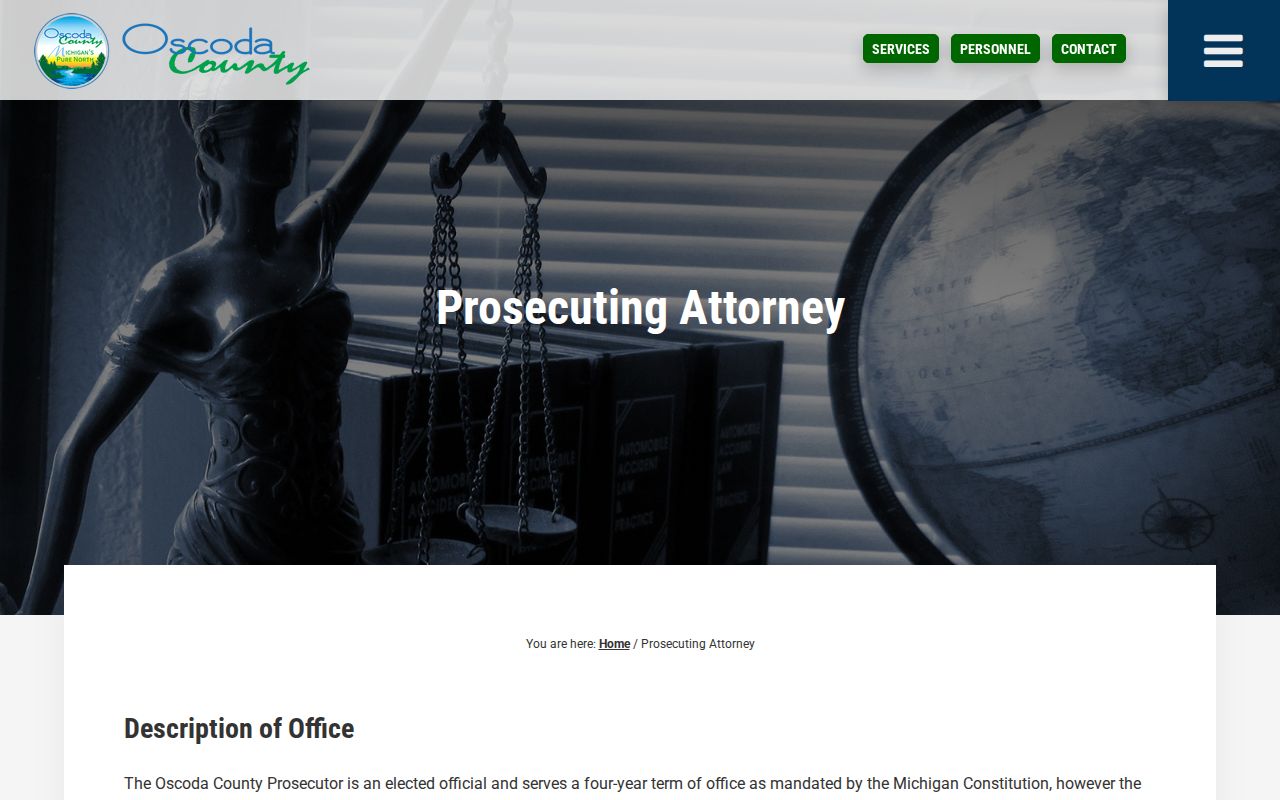
The prosecutor page above lists the Oscoda County office duties and hours. It shows who reviews a charge before a judge sees it. Warrant status questions go to the court instead.
What an Oscoda County Arrest Warrant Contains
Michigan's own forms define these blocks, and the Oscoda County court file is where a filled-in copy lives. What follows is the document's structure only, never any person's data.
| Court and Case | Judicial district or circuit, case number, court address and phone, and the issuing judge or magistrate. |
|---|---|
| Person | Name and address, date of birth, license and identification numbers, sex and race, and physical descriptors. |
| Offense | The charge, the alleged date and place, the county, the maximum penalty, and the police report number. |
| Authority | The sworn complaint, the probable cause finding, and the reason a warrant was chosen over a summons. |
| Command | The order to arrest and bring the person before the named court. |
| Return | The serving agency, the date, and the officer's entry describing what happened. |
Summons or Warrant Under Michigan Court Rule 6.102
Under the court rule, a judge weighs two paths. A summons simply orders the person to appear in court. An arrest warrant goes further and authorizes arrest. Nothing makes the choice automatic. The rule points toward a warrant for assaultive or domestic violence allegations, a risk the person will not appear, a public safety risk, or a prosecutor's request. In Oscoda County, a summons tends to come when none of those factors fits. If one arrives, treat it like a warrant in practice. Call the court, confirm the date, and show up.
How Oscoda County Arrest Warrants Are Served
An authorized peace officer executes an Oscoda County arrest warrant, usually a sheriff's deputy, though troopers or another authorized agency can act on the entry too. Once served, the person goes before a court without unnecessary delay for arraignment, where the judge covers the charge, counsel, and release conditions. Service can happen anywhere an officer runs into the person, which is why the county tells people to call the court before a traffic stop does the job. Attempted service gets logged as well. An officer return records what happened.
The MC 200w Felony Arrest Warrant Form
The MC 200w form is the statewide felony arrest warrant document. It shows how much detail a valid warrant must carry. Beyond the court and case blocks, it records the offense date and location. It also lists the maximum penalty, the complaining witness, the probable cause finding, and the judge or magistrate signature. A second page holds the return. The form does not create a public list, and a warrant can stay nonpublic depending on the case. Still, reading the blank form helps anyone requesting a record in Oscoda County. It names the exact blocks a clerk can confirm.
Arrest Warrant vs Summons vs Bench Warrant
Three documents, three different starting points. The table below keeps them apart.
| Document | What It Does | How It Starts |
|---|---|---|
| Arrest warrant | Commands an officer to arrest and bring the person to court | A complaint and a reasonable cause finding |
| Summons | Orders an appearance without an immediate arrest command | The same complaint, with the court choosing a summons |
| Bench warrant | Commands an arrest for a failure in a case already open | A missed date, contempt, or a broken condition |
One fourth paper exists: the search warrant. It authorizes a search and seizure, not an arrest, and its affidavit follows separate public access rules in Oscoda County and everywhere else in the state.
Federal Warrants Sit Outside the Oscoda County System
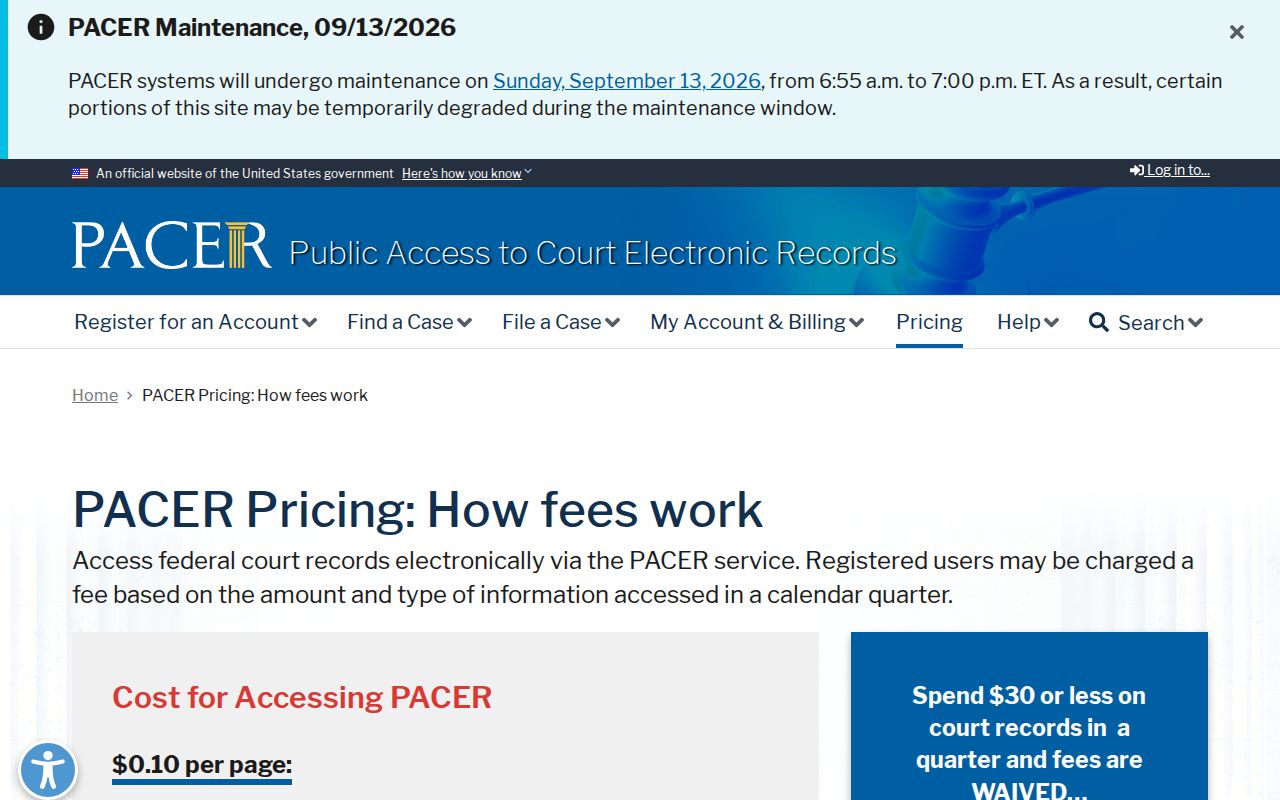
Federal matters in Oscoda County belong to the Eastern District of Michigan. A federal complaint or indictment goes to a federal magistrate or judge, who issues the warrant, and the U.S. Marshals Service handles fugitive work in the district. A county court cannot recall a federal warrant. A county clerk cannot read its status. Federal docket information comes through the federal court records system, which charges by page with a quarterly waiver for small fees, or through the Eastern District clerk's office. Neither source confirms that a warrant is cleared.
The Eastern District court page lists courthouse locations, clerk contacts, and federal access rules. Treat any federal question in Oscoda County as a separate track needing separate counsel.
What to Do If There Is a Warrant for You
Order beats speed here. Calling the Oscoda County issuing court first tells you the charge, the bond, and whether a judge will take a voluntary appearance. Wait instead, and an officer makes that call for you.
Important: Talk to a lawyer before turning yourself in. An arrest warrant can be executed at any traffic stop or police contact.
Sort out defense counsel before you appear. The State Bar referral line is 1-800-968-0738, and the Northeast Michigan Regional Defender Office at 989-354-2856 screens Oscoda County adults for court appointed representation. A felony or probation matter needs counsel from the first conversation.
Resolving an Oscoda County Warrant Before an Arrest
An Oscoda County warrant does not always end in handcuffs. Some cases can be settled with a court appearance and a bond. Others cannot, and the court makes that call. Before you assume anything, ask the clerk three things: whether a voluntary appearance is allowed, whether bond can be posted ahead of time, and whether a motion to recall is the right route. The clerk's answer tells you which path your warrant sits on. If counsel needs a sheriff record, the office offers two ways to get it. Use the sheriff records request portal or mail a paper FOIA letter. Ask for an existing record by case or report number rather than a new compilation, then keep the reply.
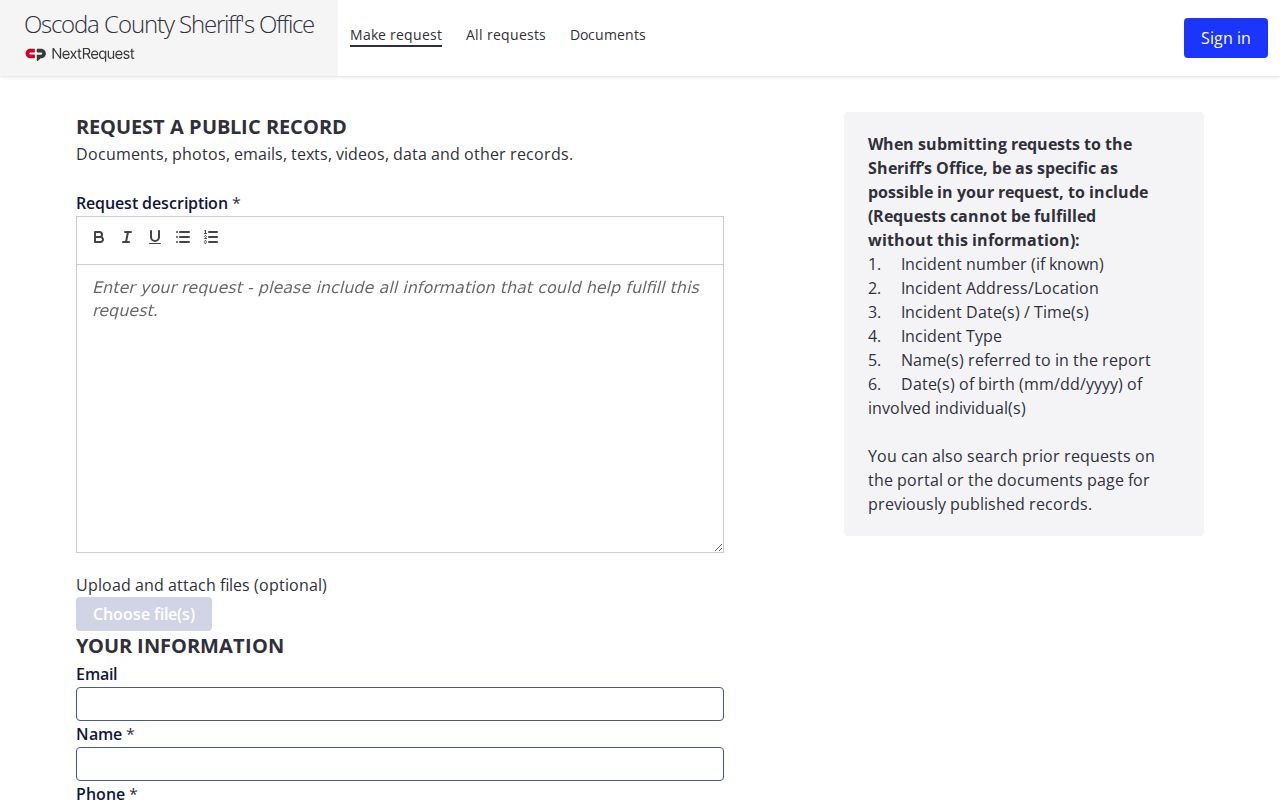
That Oscoda County sheriff portal is a records channel. It has no warrant search fields. A request goes to the FOIA coordinator, who must answer within the statutory five business days.